
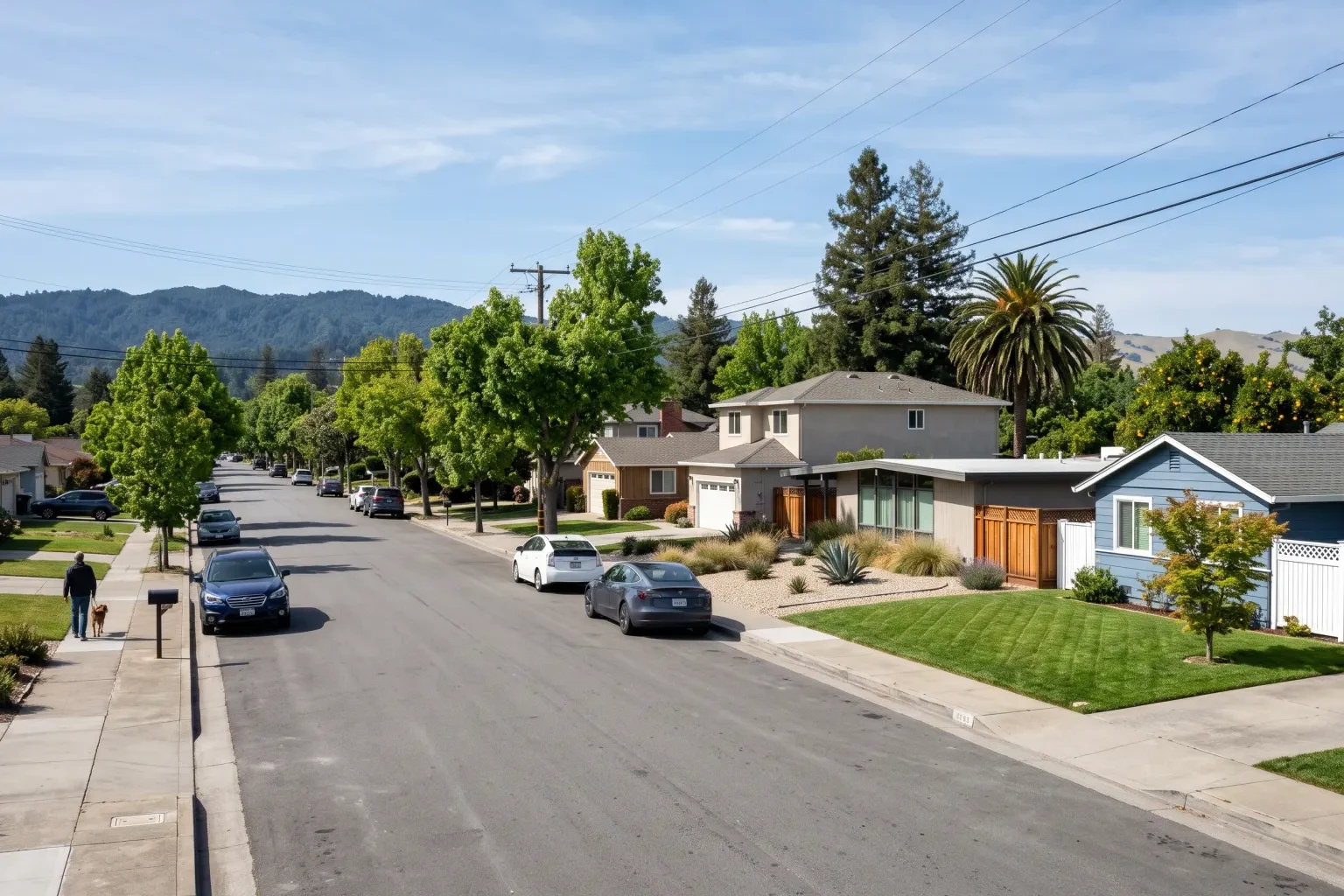
The short answer
A heat pump is a strong fit for most Sunnyvale homes because the city's mild, damp winters and dry summers fall well within what modern heat pumps handle efficiently. PerfectFix HVAC sizes the system to your house, installs ducted or ductless equipment, and checks current BayREN and local incentives before quoting.
PerfectFix HVAC Services installs heat pumps in Sunnyvale homes from our base in San Jose, about 10 miles southeast. A heat pump heats and cools with one system, which suits Sunnyvale's mild weather. Whether you're replacing an aging gas furnace, adding cooling to a house that never had it, or planning ahead before your current equipment fails, this page covers what installation involves, which system types fit common Sunnyvale homes, and how current Bay Area rules and incentives affect your decision.
Why Heat Pumps Work Well in Sunnyvale's Climate
The Santa Clara Valley has a Mediterranean climate with dry summers and mild, damp winters. Sunnyvale sits in the northern part of the valley near the Bay. Its summers tend to stay more moderate than the hotter inland and southern parts of the valley. That combination is where heat pumps do their best work. Winter nights rarely get cold enough to strain a modern unit, and summer cooling loads are steady rather than extreme.
For many Sunnyvale households, that means one system can replace both a furnace and a separate air conditioner, or bring comfortable cooling to a home that only had heat. Because a heat pump moves heat instead of burning fuel, it also removes gas combustion from your living space.
What a Sunnyvale Heat Pump Installation Involves
A good installation starts with sizing, not with picking a unit off a shelf. We look at your home's square footage, insulation, windows, sun exposure, and how the rooms are laid out. An oversized system short-cycles and leaves rooms clammy. An undersized one runs constantly on the few cold or hot days each year.
Heat pump installations generally require a city permit and inspection, and we build that into the schedule so you know what to expect from start to finish.
- Load calculation to match capacity to your house
- Duct inspection for leaks, sizing problems, and damaged runs if you have ducted heating now
- Electrical panel review, since replacing a gas furnace may mean adding a dedicated circuit
- Outdoor unit placement that considers side-yard clearance, neighbors, and noise
- Removal of old equipment and capping of the gas line where a furnace is retired
- Thermostat setup and a walkthrough of how to run the system efficiently
Ducted, Ductless, or a Mix
Sunnyvale has a wide range of housing, from older single-story homes with existing ductwork to townhomes and additions where ducts were never practical. The right system depends on what your house already has.
- Ducted heat pumps: connect to existing ductwork and usually replace a furnace and AC in one step.
- Ductless mini-splits: wall or ceiling units for homes without ducts, converted garages, or additions, with room-by-room temperature control.
- Hybrid setups: a ducted system for the main house plus a ductless unit for a hard-to-reach room or second story.
Bay Area Rules and Incentives to Know
Under Bay Area Air District Rule 9-4, natural gas furnaces manufactured from 2029 must meet a zero-NOx emission standard. In practice, that points homeowners toward heat pumps when a furnace is replaced after that date. These rules do not require you to replace working equipment. They apply only when an existing furnace fails or is replaced. If your furnace still runs well, you have time to plan rather than react to a breakdown.
The federal Energy Efficient Home Improvement Credit covered qualifying heat pumps placed in service before December 31, 2025, and it is not available for new installations after that date. Bay Area homeowners can still check BayREN and Silicon Valley's local clean energy provider for current heat pump and electrification incentives. Amounts and availability change by funding cycle, so we confirm the current offer before including it in a quote.
Serving Sunnyvale and Nearby Cities
We install heat pumps throughout Sunnyvale, including ZIP codes 94085, 94086, 94087, and 94089. We also work in nearby Mountain View, Santa Clara, Los Altos, Cupertino, and Los Altos Hills, all within Santa Clara County. If you're unsure whether your home is a good candidate, we can walk through your current system and give you a clear picture of your options.
More services in Sunnyvale
- AC Repair in Sunnyvale
- Heating Repair in Sunnyvale
- AC Installation in Sunnyvale
- Furnace Repair in Sunnyvale