
The short answer
A heat pump is a strong fit for most Cupertino homes because the area's mild, damp winters and dry summers fall within the range where heat pumps heat and cool efficiently. PerfectFix HVAC Services sizes each system to the house, checks your ductwork and electrical panel, and helps you plan around Bay Area Air District furnace rules and current local incentives.
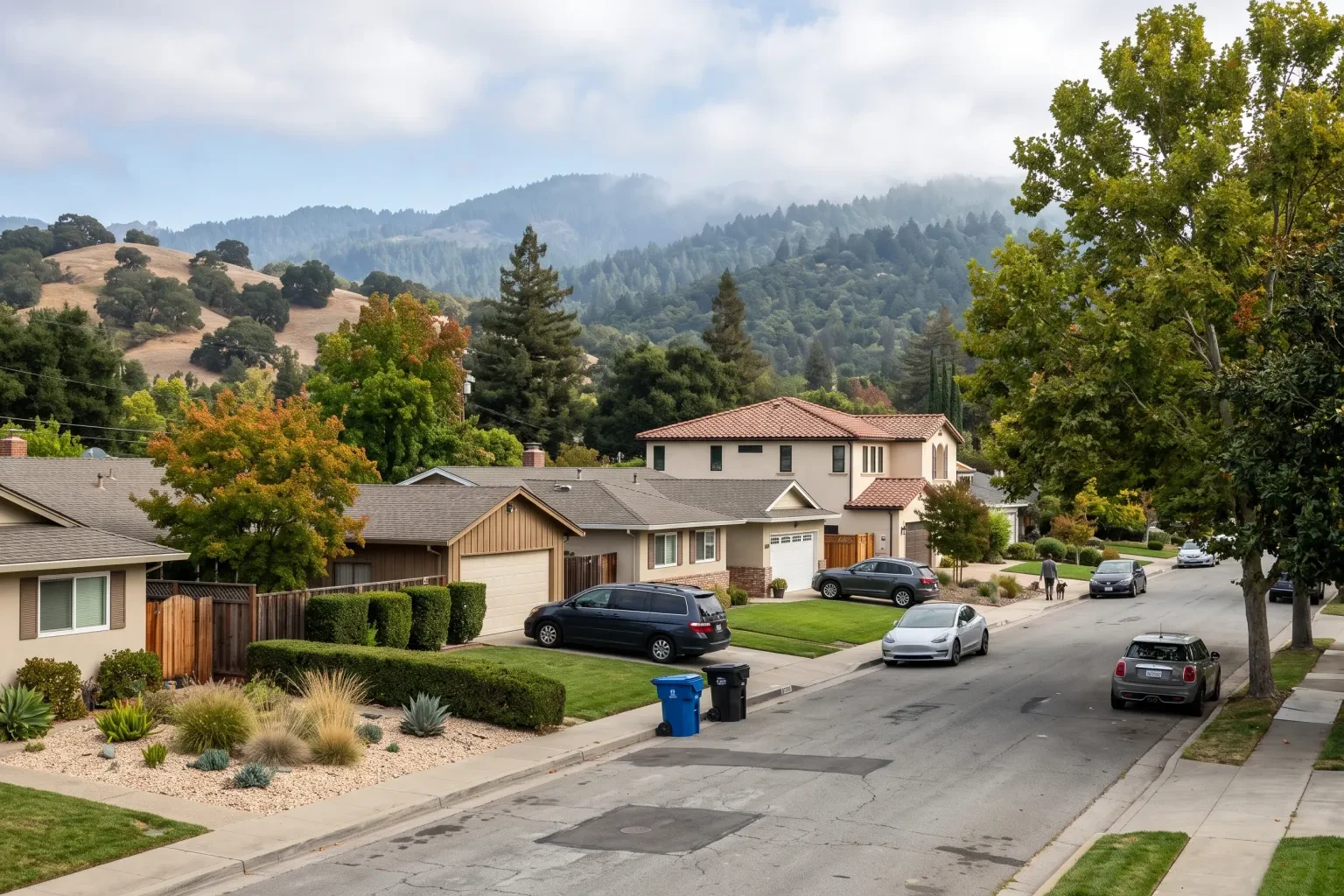
Thinking about a heat pump for your Cupertino home? PerfectFix HVAC Services installs heat pumps throughout Cupertino (ZIP 95014), about 10 miles west of our base in San Jose. A heat pump heats and cools with one system. It can replace an aging furnace and central air conditioner, or add cooling to a home that has only ever had heat. This page covers how heat pumps handle Cupertino's weather, what we check before recommending a system, how Bay Area Air District rules affect your timing, and what happens on installation day.
Why Heat Pumps Suit Cupertino's Climate
The Santa Clara Valley has a Mediterranean climate with dry summers and mild, damp winters. That pattern works well for heat pumps. Winter nights rarely get cold enough to strain a modern unit, so it can keep the house warm without the backup heat that colder regions often need.
Summer is the other half of the picture. Areas farther from the Bay run noticeably hotter than towns along the shoreline, and a heat pump gives you real cooling on those afternoons. If your home has a furnace but no air conditioning, one heat pump can cover both seasons instead of two separate pieces of equipment.
What We Check Before Recommending a System
Every Cupertino house is different, so we don't size a heat pump by square footage alone. An oversized unit cycles on and off and leaves rooms clammy. An undersized one runs constantly on the hottest days. Before we recommend equipment, we look at:
- A room-by-room load calculation that accounts for insulation, windows, sun exposure, and ceiling height
- The condition, sizing, and sealing of existing ductwork, or whether a ductless system makes more sense
- Electrical panel capacity and whether a new dedicated circuit is needed
- Where the outdoor unit can go with proper clearance, drainage, and attention to noise near bedrooms and neighbors
- Thermostat compatibility and options for controlling multiple zones
- Additions, converted garages, or upstairs rooms that are hard to keep comfortable today
Bay Area Air District Rules and Your Timing
Under Bay Area Air District Rule 9-4, natural gas furnaces manufactured from 2029 must meet a zero-NOx emission standard. In practice, that points homeowners toward heat pumps when a furnace is replaced after that date.
The rules do not require you to replace working equipment. They apply only when an existing furnace or water heater fails or is replaced. If your furnace is still running well, you can plan a switch on your own schedule. That beats making a rushed decision in the middle of a cold snap.
Water heaters follow a separate rule. The zero-NOx date for small water heaters under Rule 9-6 was set for 2027, and the Air District Board is considering amendments in November 2026 that could delay it. If you're thinking about electrifying both systems, check the current rule before planning the water heater replacement.
Incentives and Tax Credits
The federal Energy Efficient Home Improvement Credit (25C) covered qualifying heat pumps placed in service before December 31, 2025. It is not available for new installations after that date.
Cupertino homeowners can still check BayREN and their local clean energy provider for heat pump and electrification incentives. Amounts and availability change with each funding cycle, so we confirm the current offer before including it in your quote.
What Installation Day Looks Like
Most installs follow a predictable sequence. We explain each step before we start, so you know what to expect in your home.
- Protecting floors and work areas, then safely disconnecting and removing old equipment
- Setting the outdoor unit on a level pad or approved mount
- Installing the indoor air handler or ductless heads and running refrigerant lines
- Completing electrical connections and any needed duct modifications
- Testing airflow, refrigerant charge, and both heating and cooling modes
- Walking you through the thermostat and routine filter care
More services in Cupertino
- AC Repair in Cupertino
- Heating Repair in Cupertino
- AC Installation in Cupertino
- Furnace Repair in Cupertino